Materials
Vegetable-Tanned vs Chrome-Tanned Leather: How Tanning Shapes Your Bag
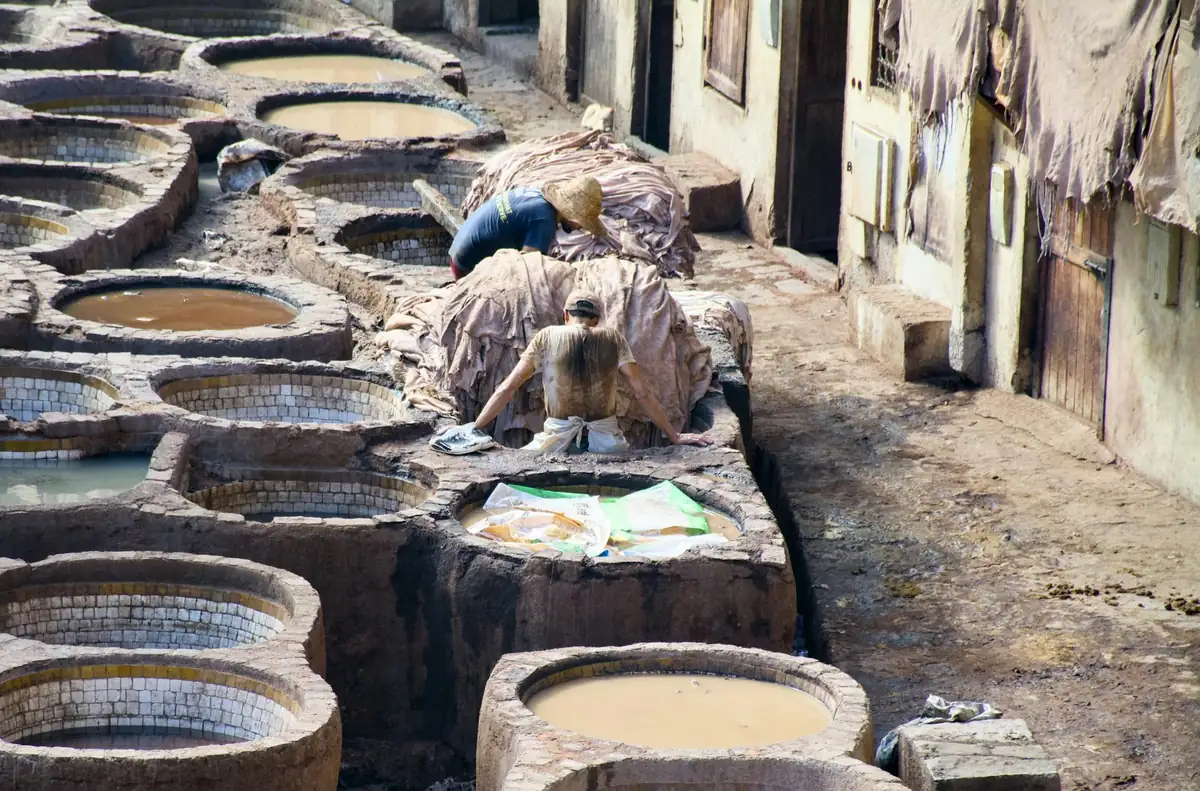
Before leather becomes a bag, raw hide has to be tanned: treated so it won't rot and stays flexible. The two main methods, vegetable tanning and chrome tanning, produce leathers with very different personalities.
What tanning does
Raw hide is mostly protein. Tanning changes that protein so it becomes stable, durable and resistant to decay. The tanning agent used shapes almost everything about the finished leather: its firmness, colour, smell and how it ages.
Vegetable-tanned leather
Vegetable tanning is the older method. It uses natural tannins from plant materials such as tree bark, and it takes a long time, often weeks.
- Feel: firmer and fuller, with a natural earthy smell.
- Ageing: develops a deep patina, darkening and gaining character with sun and use.
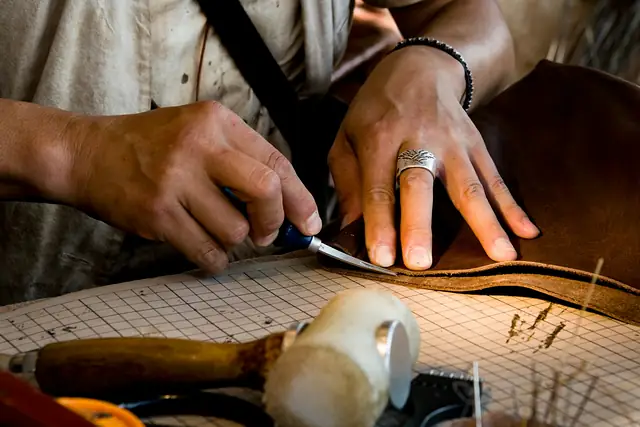
- Craft: holds shape beautifully, takes embossing very crisply, and its edges can be burnished to a smooth shine.
- Watch out for: it marks more easily with water and scratches at first, which many people see as part of its charm.
Chrome-tanned leather
Chrome tanning uses mineral salts and is much faster, often just a day. It's the most common method worldwide.
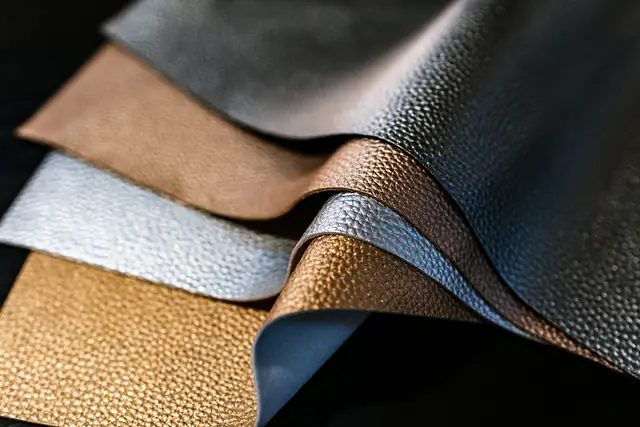
- Feel: softer and more supple, with a consistent texture.
- Colour: takes a very wide range of bright, even colours.
- Practicality: more resistant to water and stains, and changes less over time.
- Watch out for: its colour and texture stay more constant, so it won't develop the same patina, and its edges are usually finished with edge paint rather than burnished.
Combination tanning
Some leathers are tanned with both methods, aiming for a balance: some of the softness and colour of chrome with some of the body and character of vegetable tanning.
Which is right for your piece?
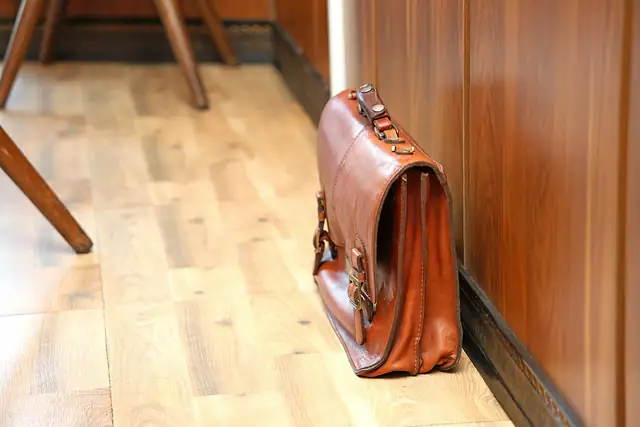
- Structured bags and briefcases: firmer leathers help the bag hold its shape.
- Slouchy bags and soft backpacks: supple leathers drape and move with you.
- Wallets and card holders: either works; firmer leather keeps crisp edges, softer leather feels pleasant in a pocket.
- Bright colour blocking: a wider palette may point you to one leather over another.
- Patina lovers: if you want a piece that tells the story of every year you carry it, ask about leathers that age visibly.
Ask your maker
There's no single best leather, only the right one for how you'll use the piece. When you commission a bespoke bag, we'll talk you through the options and help you choose.